Our Story
A Promise to the Land
How a vision to restore a forgotten valley in the Waterberg became one of Limpopo's most ambitious conservation projects.
The Beginning
Where It All Started
Kings Valley began not with a plan, but with a feeling — the quiet conviction that this land, neglected and degraded, still held the memory of what it once was. And that with patience, it could become that again.
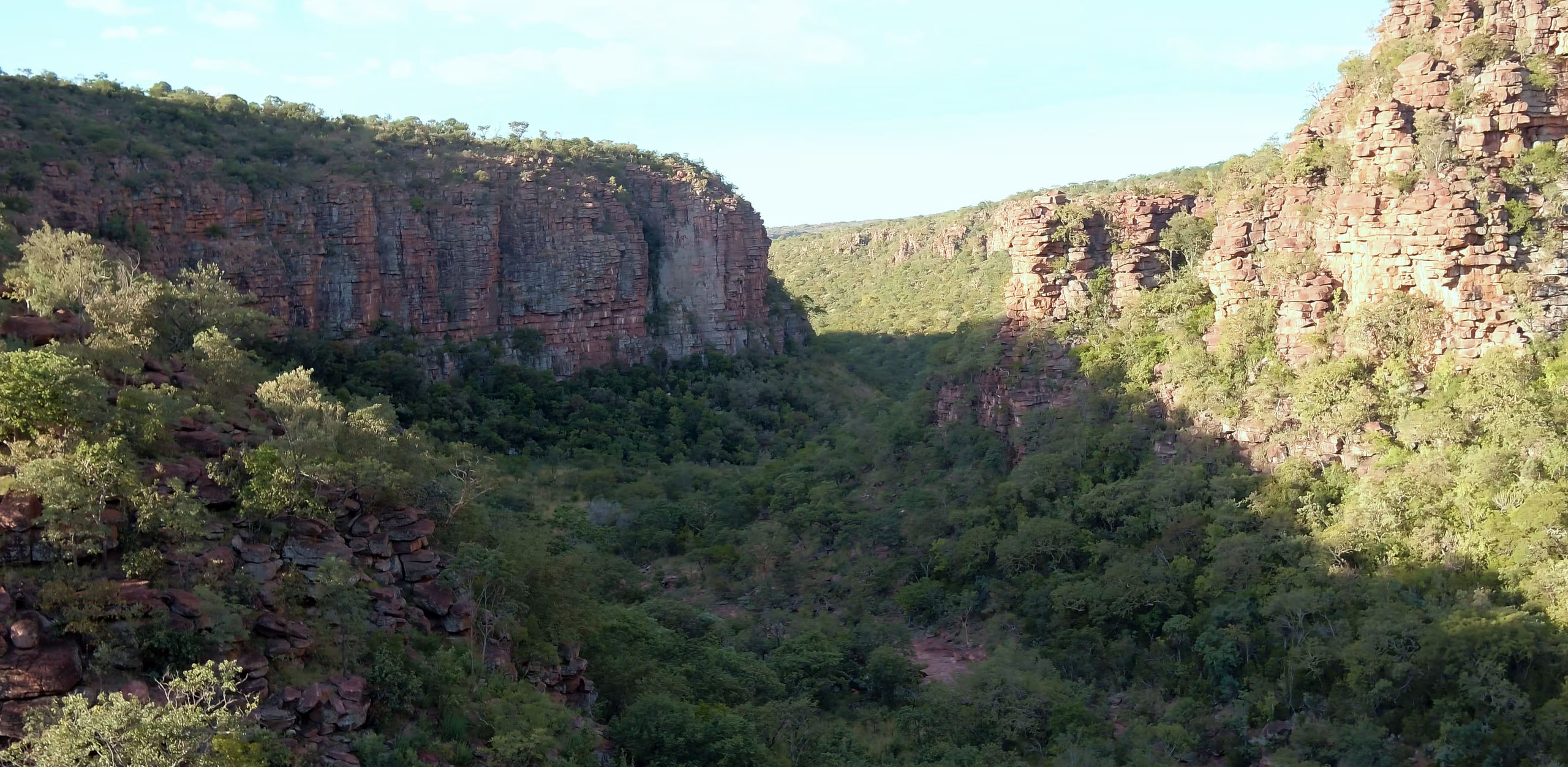
The Waterberg has always been a place apart. One of the oldest mountain ranges on earth, its sandstone ridges and bushveld valleys have supported life for over two billion years. Yet like so much of South Africa's landscape, decades of overgrazing, poor land management, and neglect had taken their toll.
When we first arrived in the valley, the land was tired. Water sources had dried up, indigenous vegetation had retreated, and the wildlife that once roamed freely had all but disappeared. But the bones of something extraordinary were still there — in the ancient rock formations, the dry riverbeds waiting for water, and the resilience of the bush itself.
The Vision
Restoring a Lost Wilderness
The vision for Kings Valley was never about building something new — it was about uncovering what was already there. Every decision, from the first water source created to the careful management of grazing patterns, has been guided by one principle: listen to the land.
We began by creating natural water systems — spring-fed dams and carefully positioned water points that mirrored the natural hydrology of the valley. As the water returned, so did the vegetation. And as the vegetation recovered, the wildlife followed.
Today, Kings Valley is home to giraffe, leopard, and a wealth of plains game, antelope, and birdlife. The valley that was once silent is alive again.
The Land
1,930 Hectares of Waterberg Wilderness
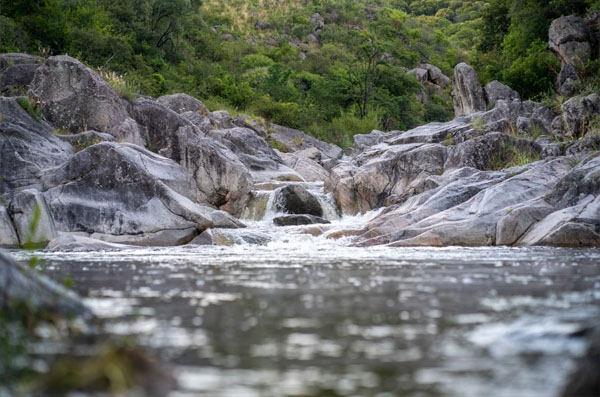
Spanning 1,930 hectares in the heart of the Waterberg, Kings Valley encompasses a dramatic range of habitats — from rocky koppies and sandstone ridges to open savanna, dense bushveld, and riverine valleys. This diversity is what makes the reserve so ecologically rich.
The Waterberg is a malaria-free region and a UNESCO Biosphere Reserve, recognised for its exceptional natural value. Kings Valley sits within this protected landscape, benefiting from the unique microclimates, natural springs, and ancient geology that define the region.
Crucially, the reserve is walk-friendly — free of dangerous big game, you can explore the bush on foot, connecting with the landscape in the most intimate way possible.